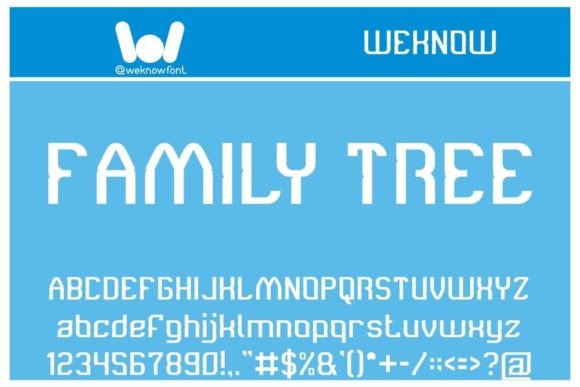
Family Tree: A Display Font for Bold Web Design
The Power of a Strong Typeface in Digital Branding
As a web designer, I know that typography is more than just aesthetics—it's the foundation of user experience and brand identity. Choosing the right font can elevate a website from ordinary to exceptional. Family Tree is a display font that stands out for its bold character and visual impact, making it an ideal choice for designers looking to make a statement.
What Makes Family Tree Unique?
Family Tree is a premium display font designed with a strong, elegant structure. Its clean lines and balanced proportions give it a modern yet timeless feel. The font has a subtle script influence that adds personality without overwhelming the text. This makes it versatile enough to work across various design contexts while maintaining readability and visual appeal.
Whether you're designing a logo, a hero section, or a call-to-action button, Family Tree delivers a consistent and professional look. Its versatility allows it to adapt to both digital and print media, making it a valuable asset for creative professionals.
Where to Use Family Tree in Web Design
Family Tree is best suited for headings, titles, and other prominent text elements. It works particularly well in areas where you want to draw attention, such as headers, banners, and promotional content. Here are some common use cases:
- Hero Sections: Family Tree can serve as the main title in a hero section, grabbing users' attention immediately.
- Landing Pages: Use it for headlines and key messaging to create a strong visual hierarchy.
- Call-to-Action Buttons: The font's boldness makes it perfect for buttons that encourage user interaction.
- Online Store Banners: It adds a touch of sophistication to product displays and promotional graphics.
- Blog Headers: Family Tree brings a stylish edge to blog titles, enhancing the overall editorial tone.
- Portfolio Websites: For creative professionals, this font helps establish a unique and memorable brand presence.
Its decorative qualities also make it suitable for accents and supporting text, though it’s not recommended for long paragraphs due to its stylized nature.
Readability and Visual Hierarchy on the Web
One of the most important considerations in web design is readability. While Family Tree is visually striking, it should be used thoughtfully to ensure it doesn't compromise legibility, especially on smaller screens or dark backgrounds.
For optimal performance, pair Family Tree with a simple sans-serif or serif font for body copy. This creates a clear visual contrast that guides the reader's eye through the content effectively. On mobile devices, consider using larger font sizes and increasing line spacing to maintain clarity.
When using Family Tree on dark backgrounds, ensure there's sufficient contrast between the text and the background. Lighter text colors often work best in these scenarios. Conversely, on light backgrounds, darker shades of the font will provide better readability.
Font Pairing Strategies for Web Design
Pairing fonts is a crucial part of creating a cohesive and professional design. Family Tree pairs well with a variety of other typefaces depending on the desired aesthetic:
- Sans-serif Fonts: For a modern, clean look, pair Family Tree with a simple sans-serif like Montserrat or Open Sans.
- Serif Fonts: If you're aiming for a more traditional or editorial feel, try pairing it with a classic serif like Georgia or Cinzel.
- Script Fonts: For a more artistic vibe, combine it with another script font for a harmonious effect.
Remember to test your font combinations in different contexts to ensure they work well together and maintain readability across all screen sizes.
Commercial Licensing and Practical Considerations
Before using Family Tree in client projects or commercial websites, check the licensing details. Most premium fonts offer commercial use rights, but it's always best to confirm the specific terms of the license.
Ensure that the font includes necessary file formats like WOFF, WOFF2, and TTF for cross-browser compatibility. Also, verify that it supports the languages and characters relevant to your target audience.
Additionally, consider including alternate weights and styles if available. These can help you create more dynamic layouts and support different design needs within a single project.
Conclusion
Family Tree is more than just a display font—it's a powerful tool for shaping brand identity and enhancing user experience. Whether you're designing a landing page, a portfolio site, or a social media graphic, this font offers the balance of style and functionality needed to stand out in the digital space.